What are immersive 3D environments?
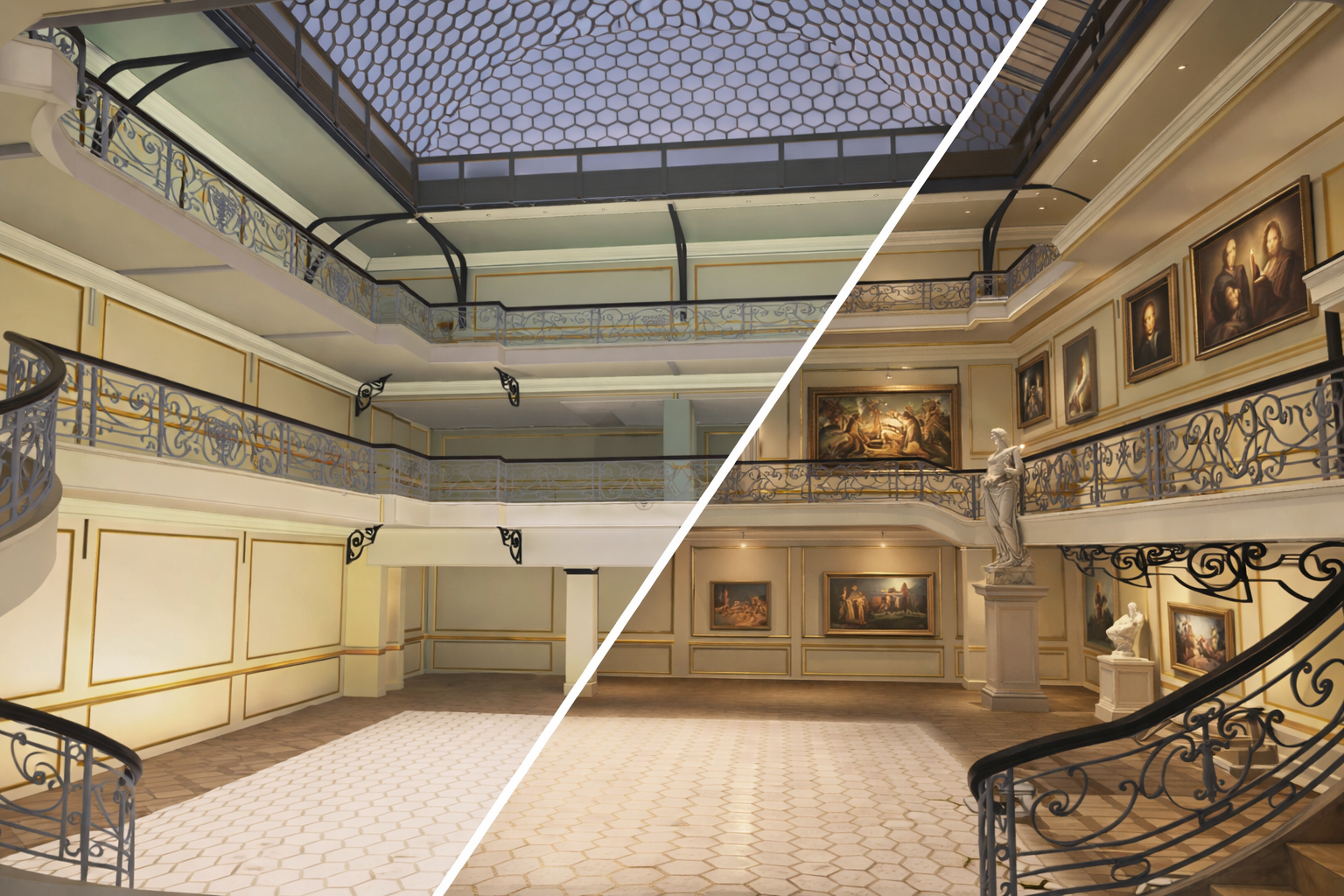
Immersive 3D environments are real-time, web-based spaces where users explore and interact with content spatially rather than through traditional web navigation.
To ensure smooth performance across devices, these environments are designed with low-polygon geometry and simplified materials. Unlike photorealistic architectural renders, the focus is on accessibility, real-time interaction, and fluid navigation rather than visual complexity.
All the environments presented here were designed for the Metagellan platform, exploring new ways to experience digital spaces through the web. Ranging from 3D showrooms and galleries to large-scale immersive environments, these projects prioritize accessibility, performance, and meaning. Each 3D space is built in low-polygon to ensure smooth loading, cross-device compatibility, and seamless browser-based access, without the need for an app.
Designing interactive 3D spaces for the web
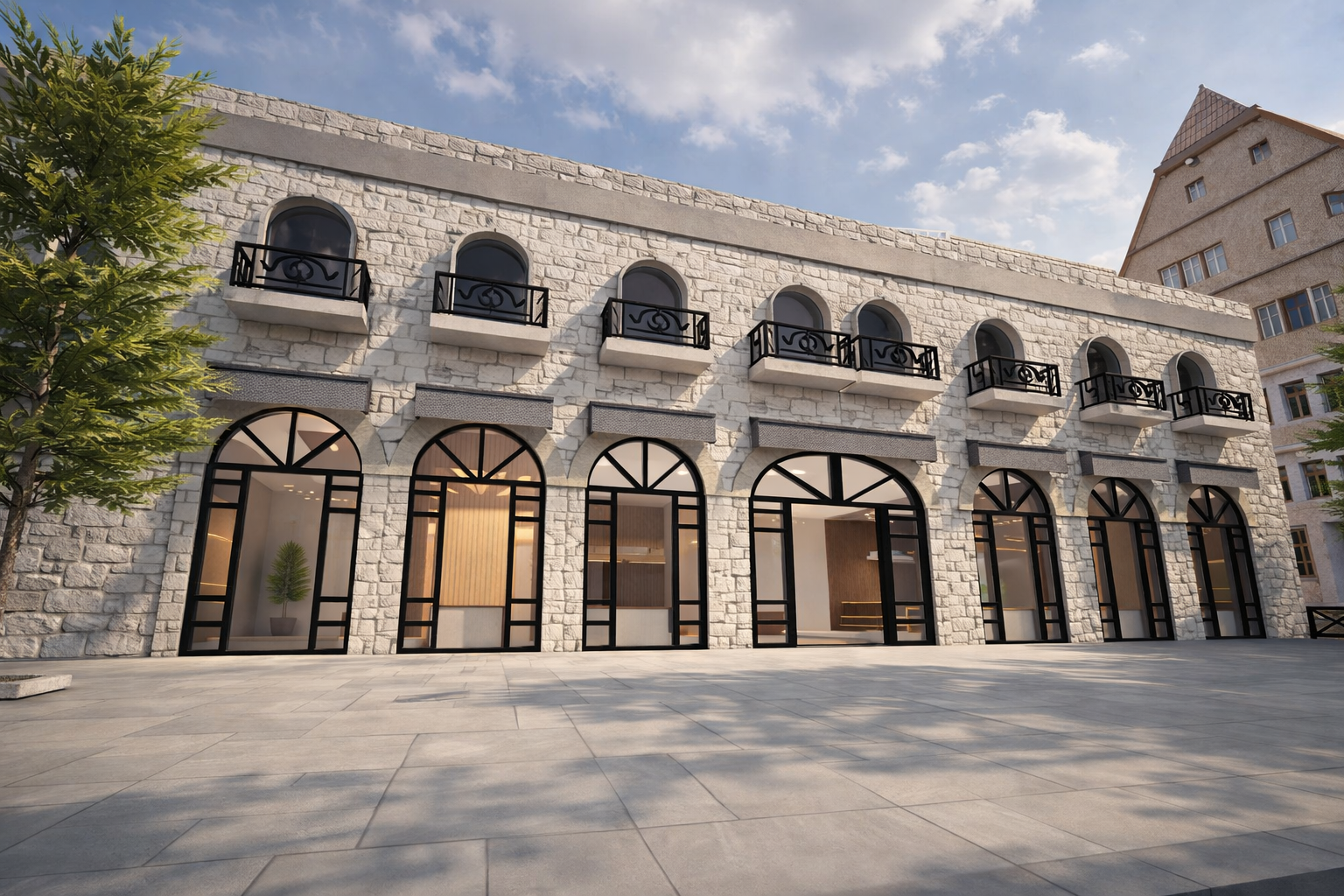
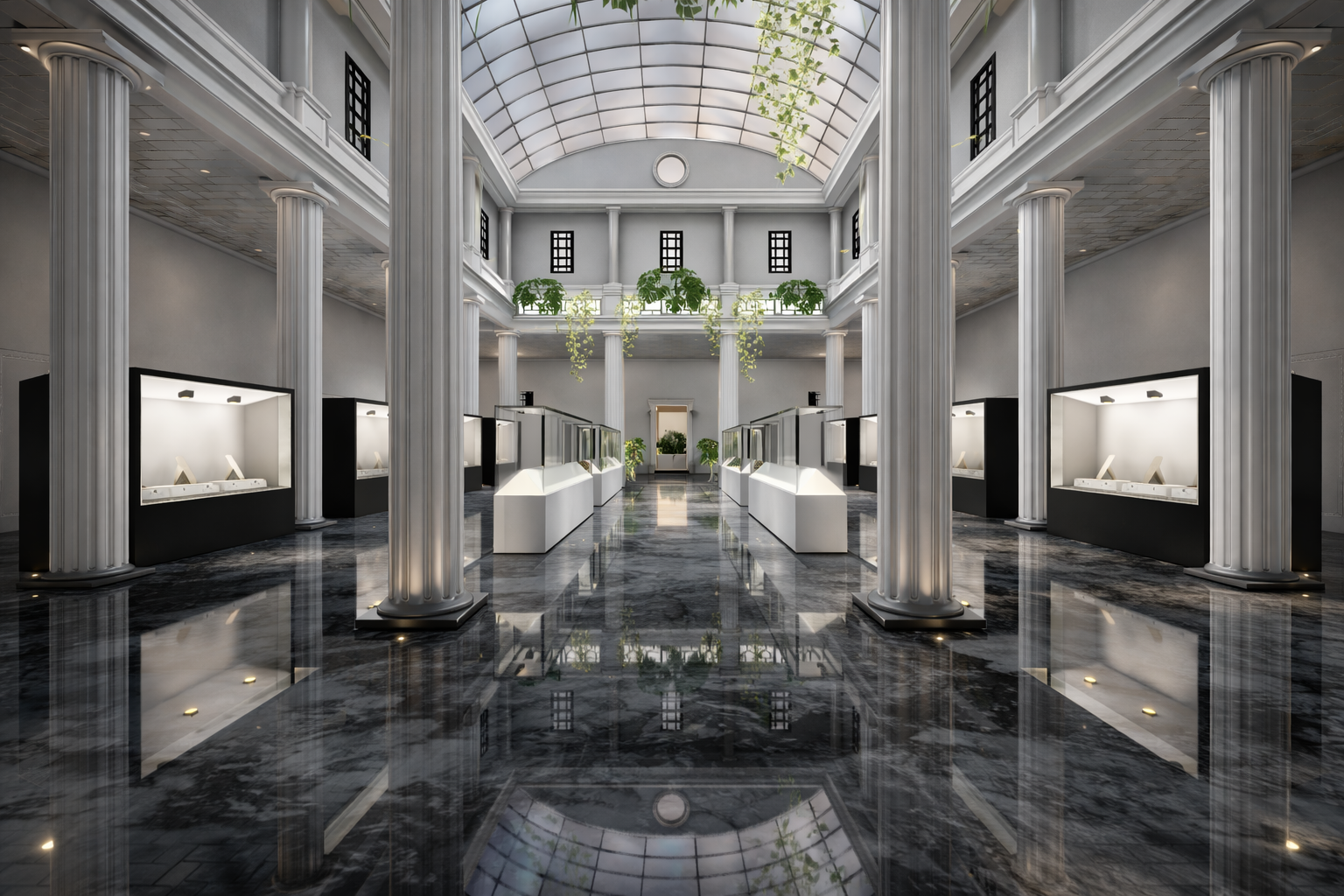
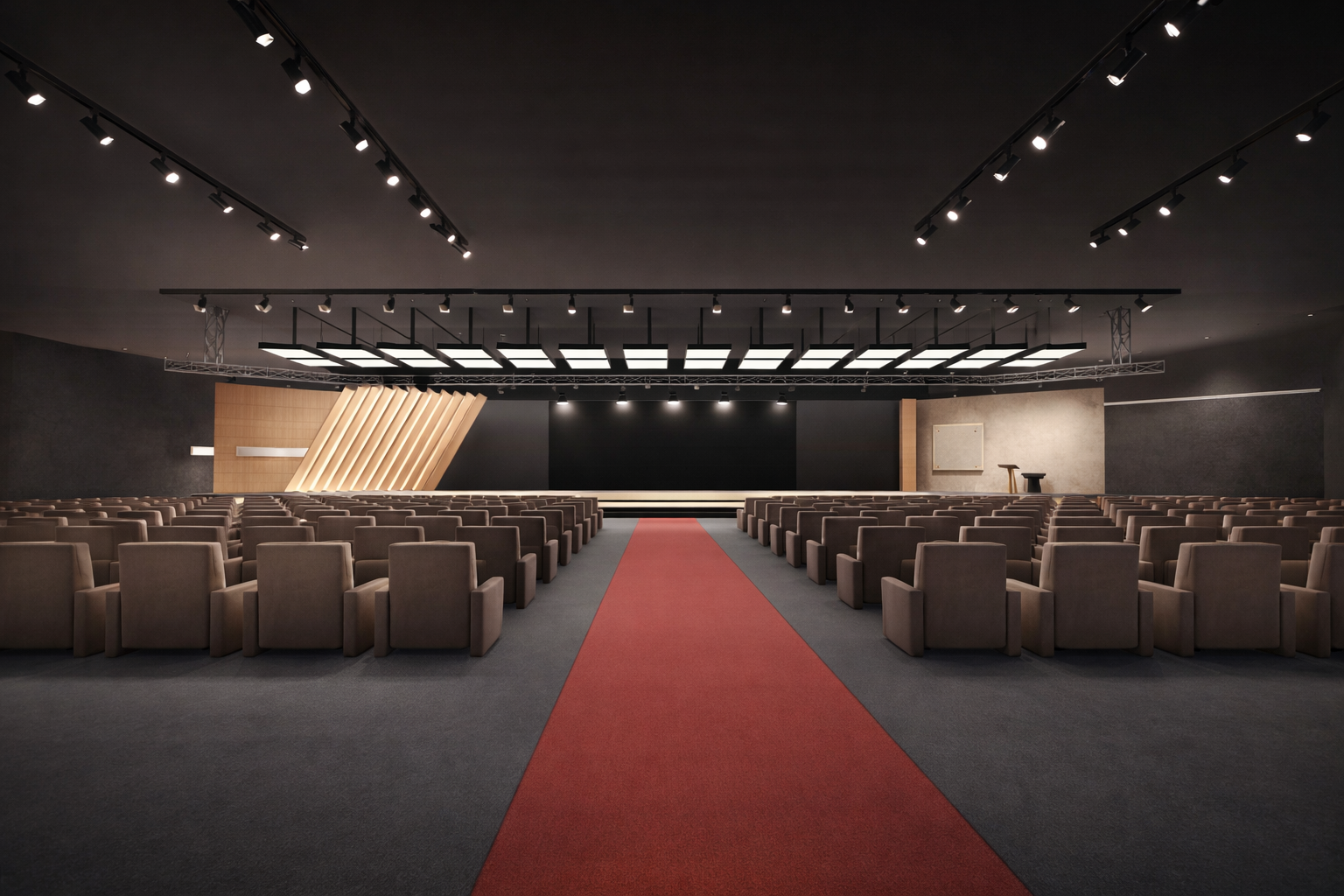
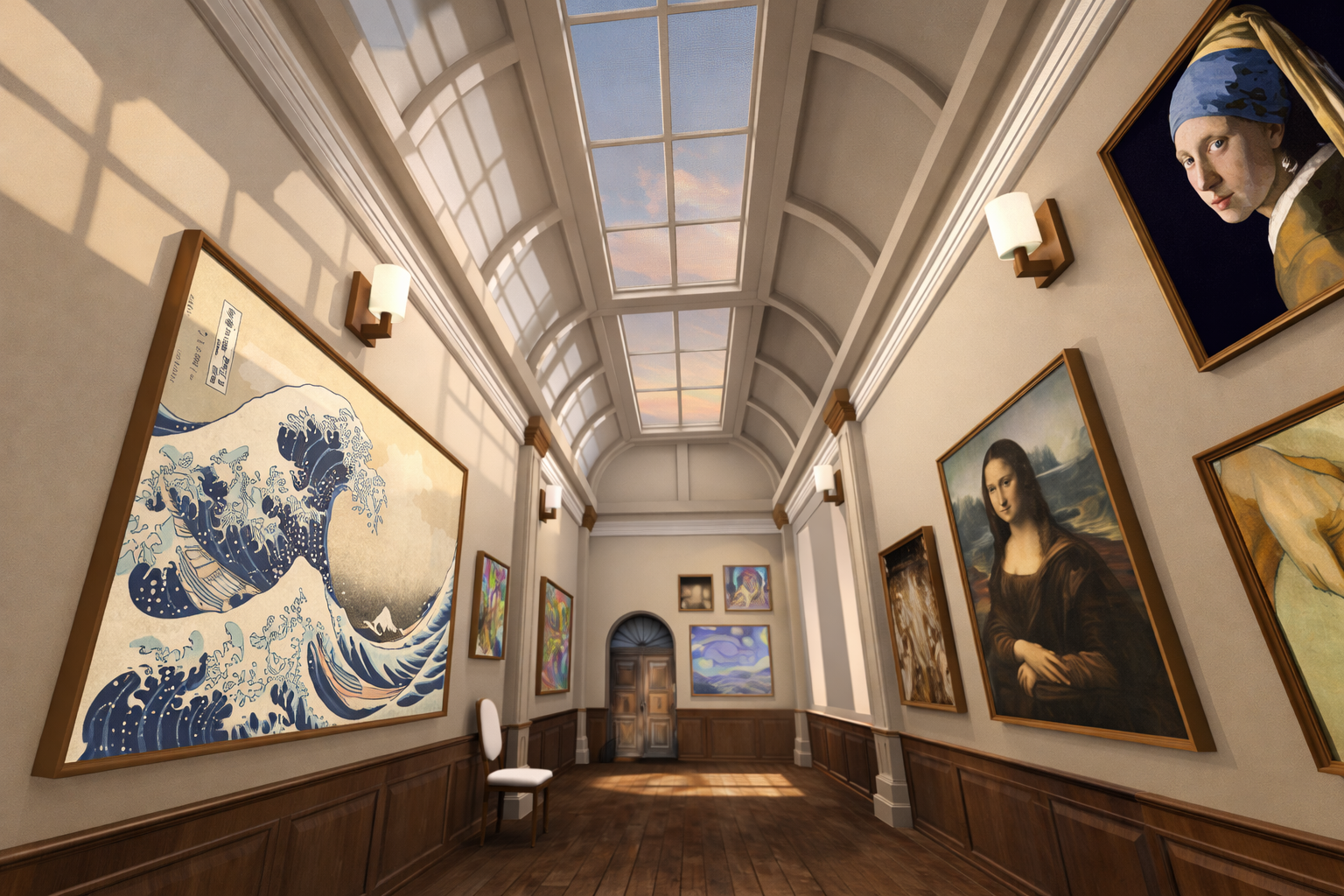
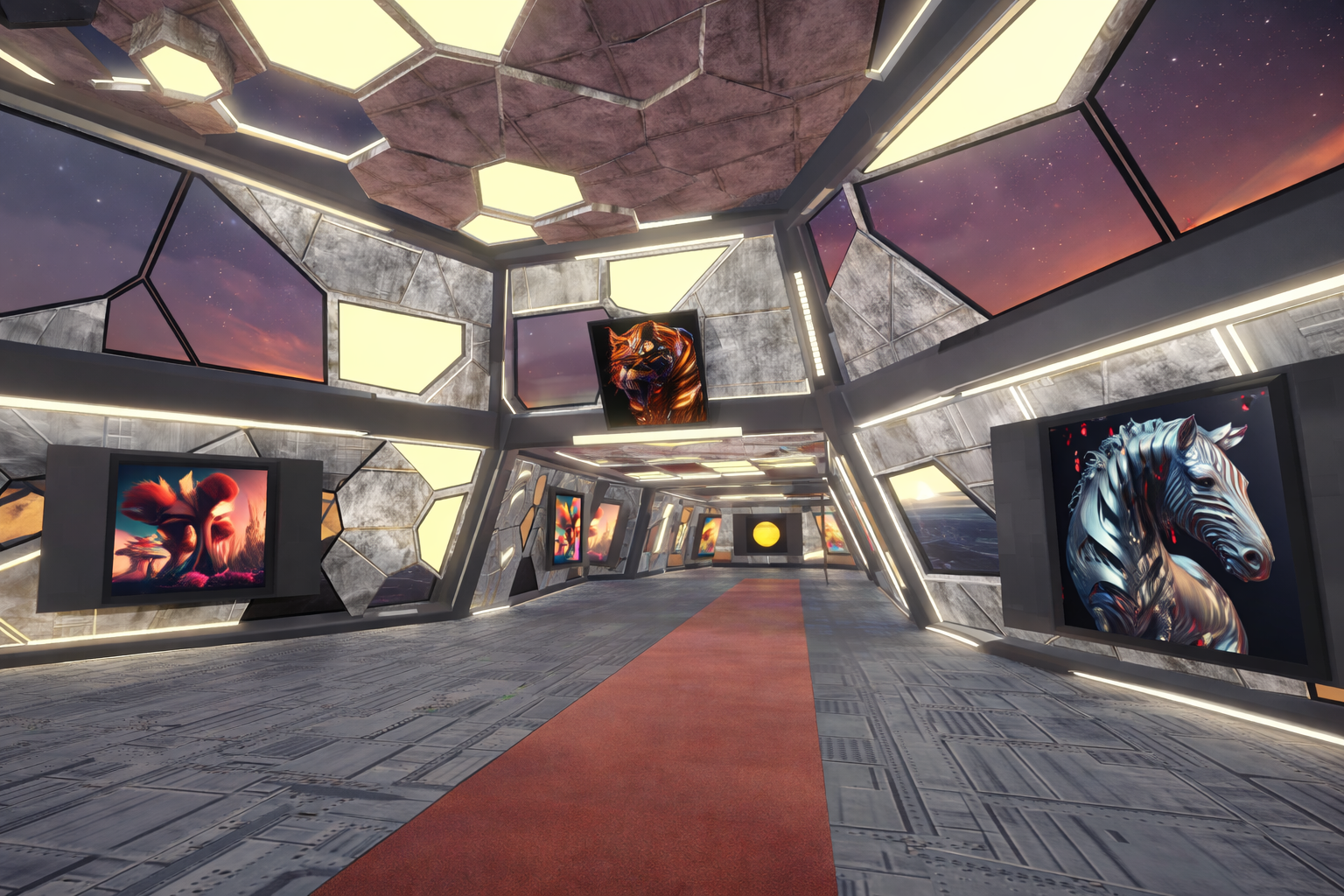
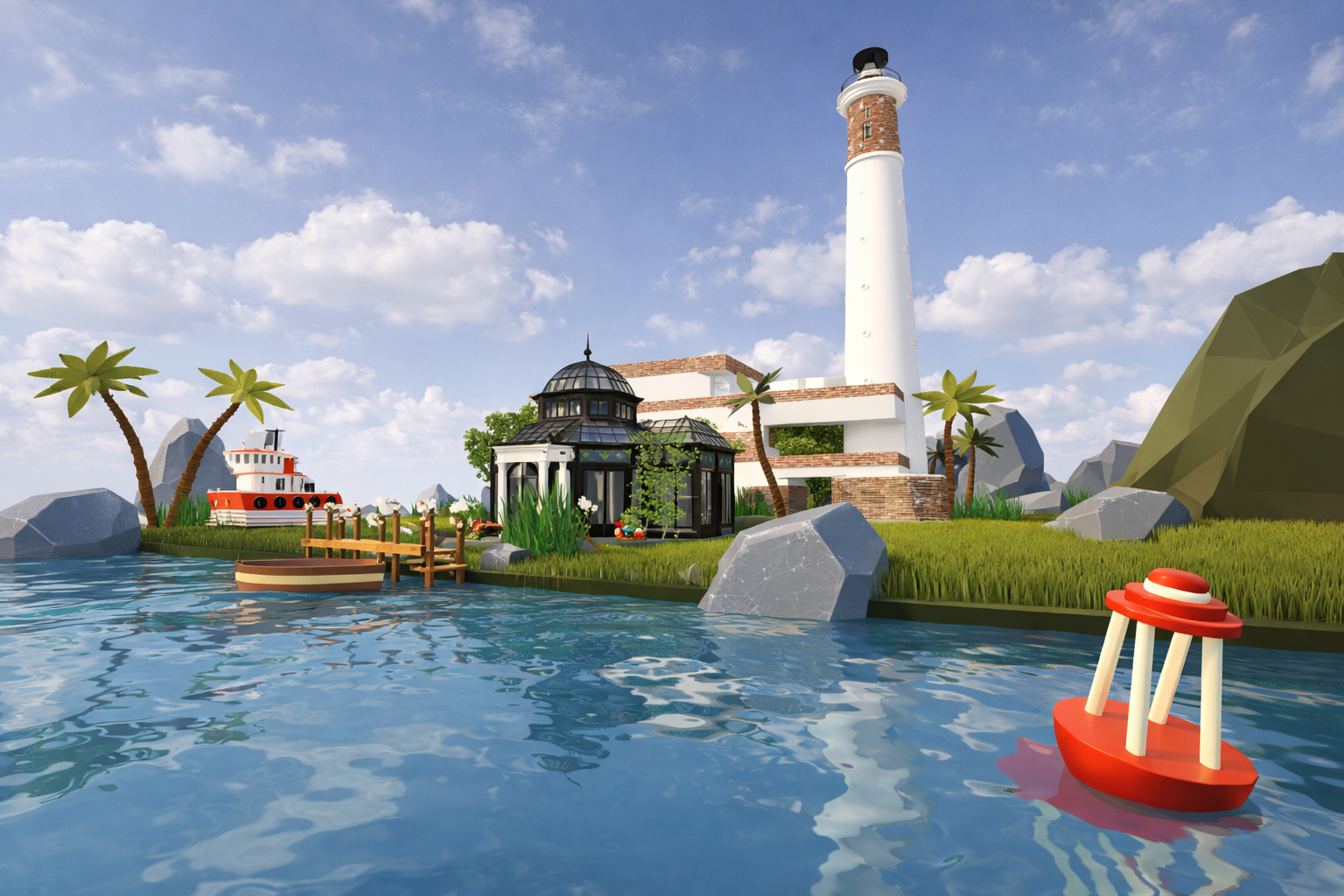
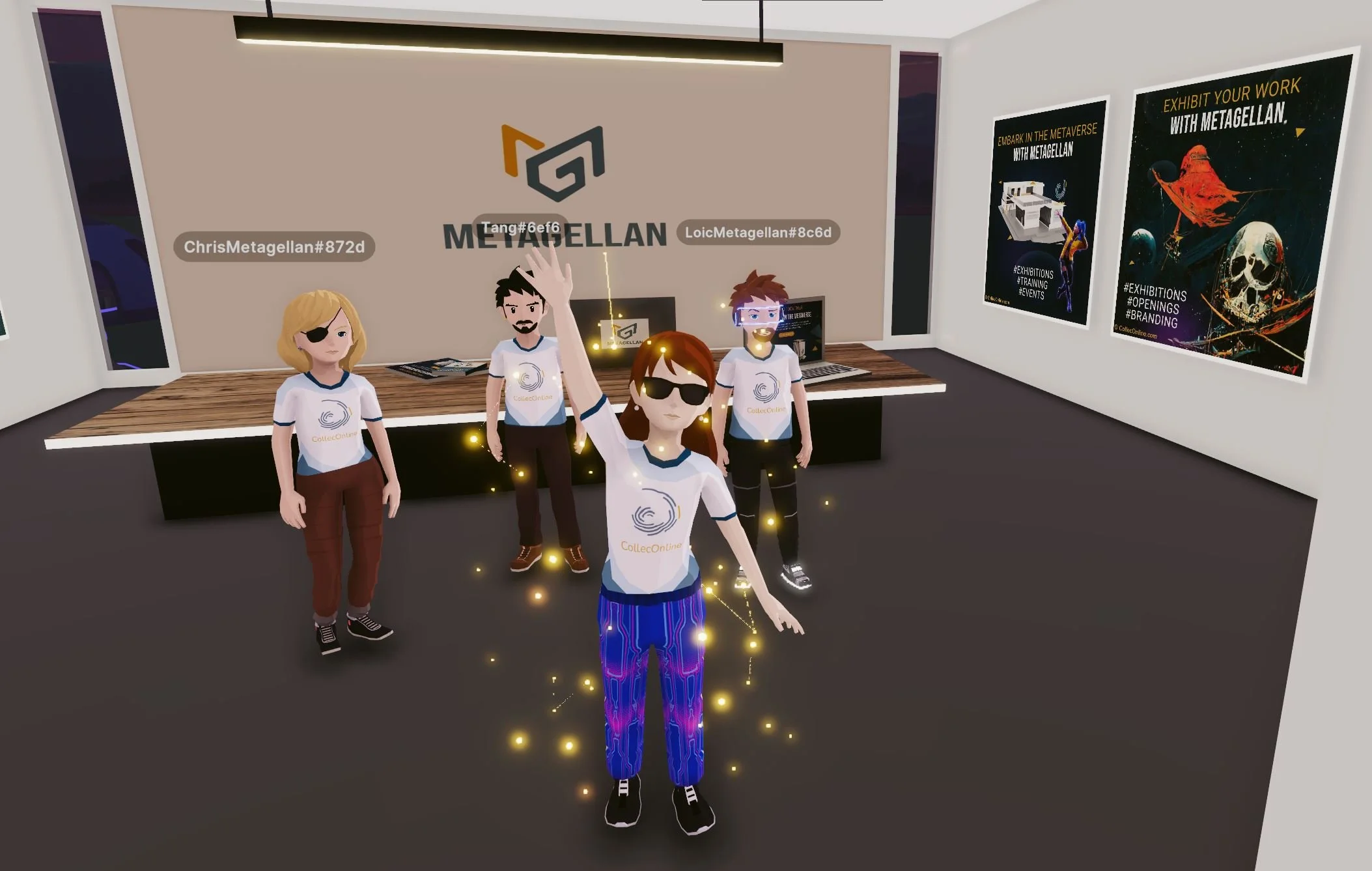
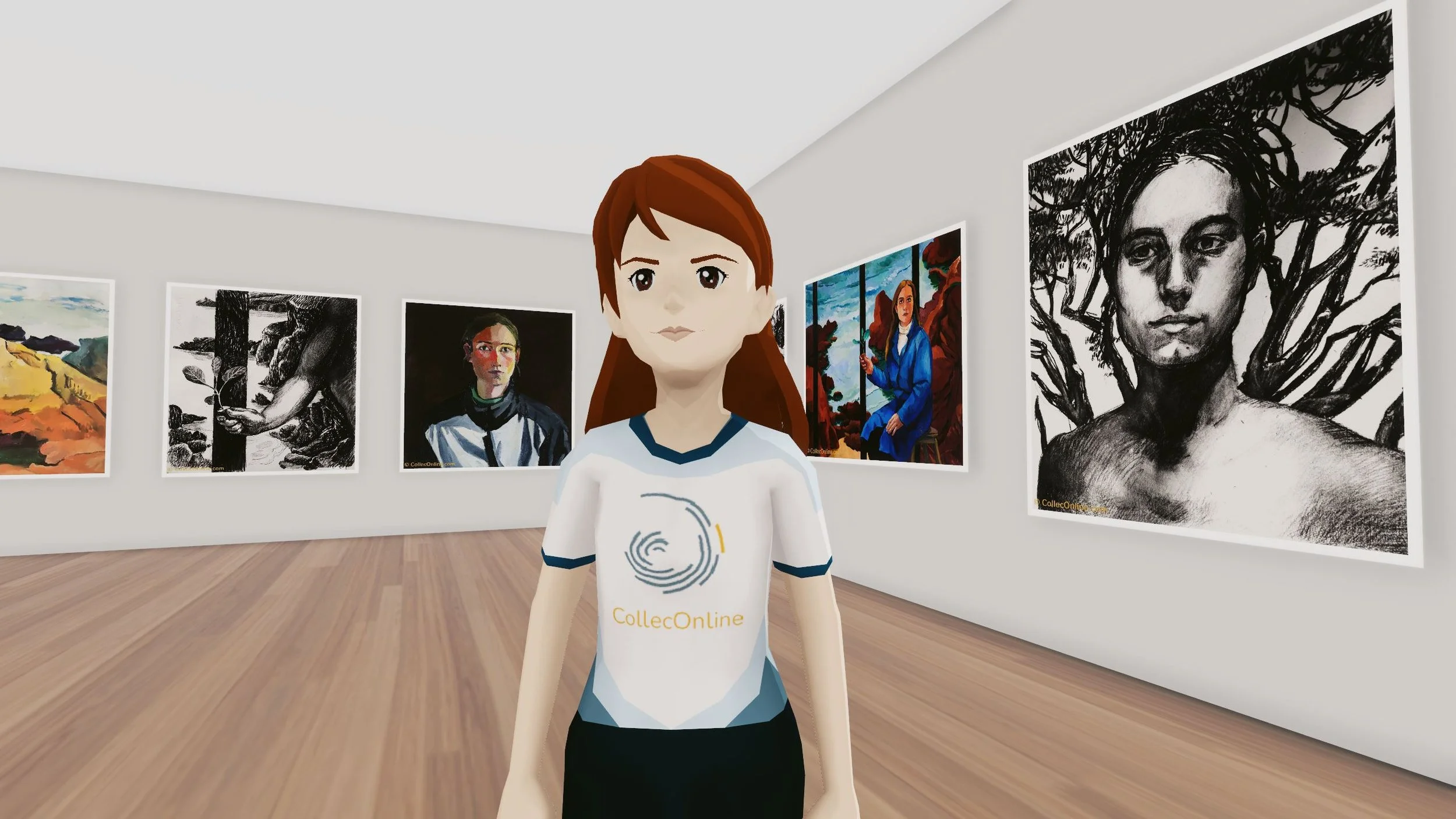
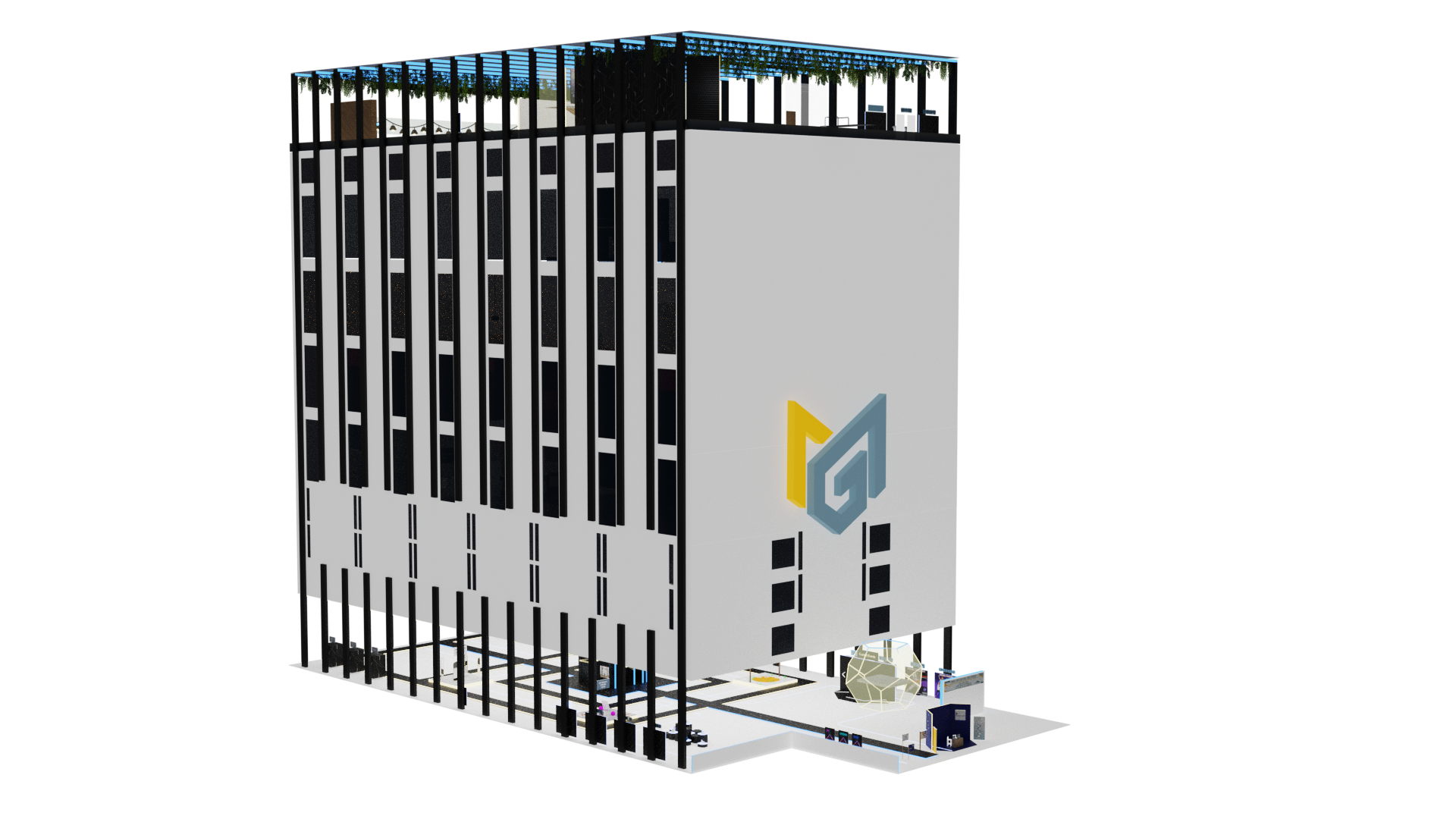
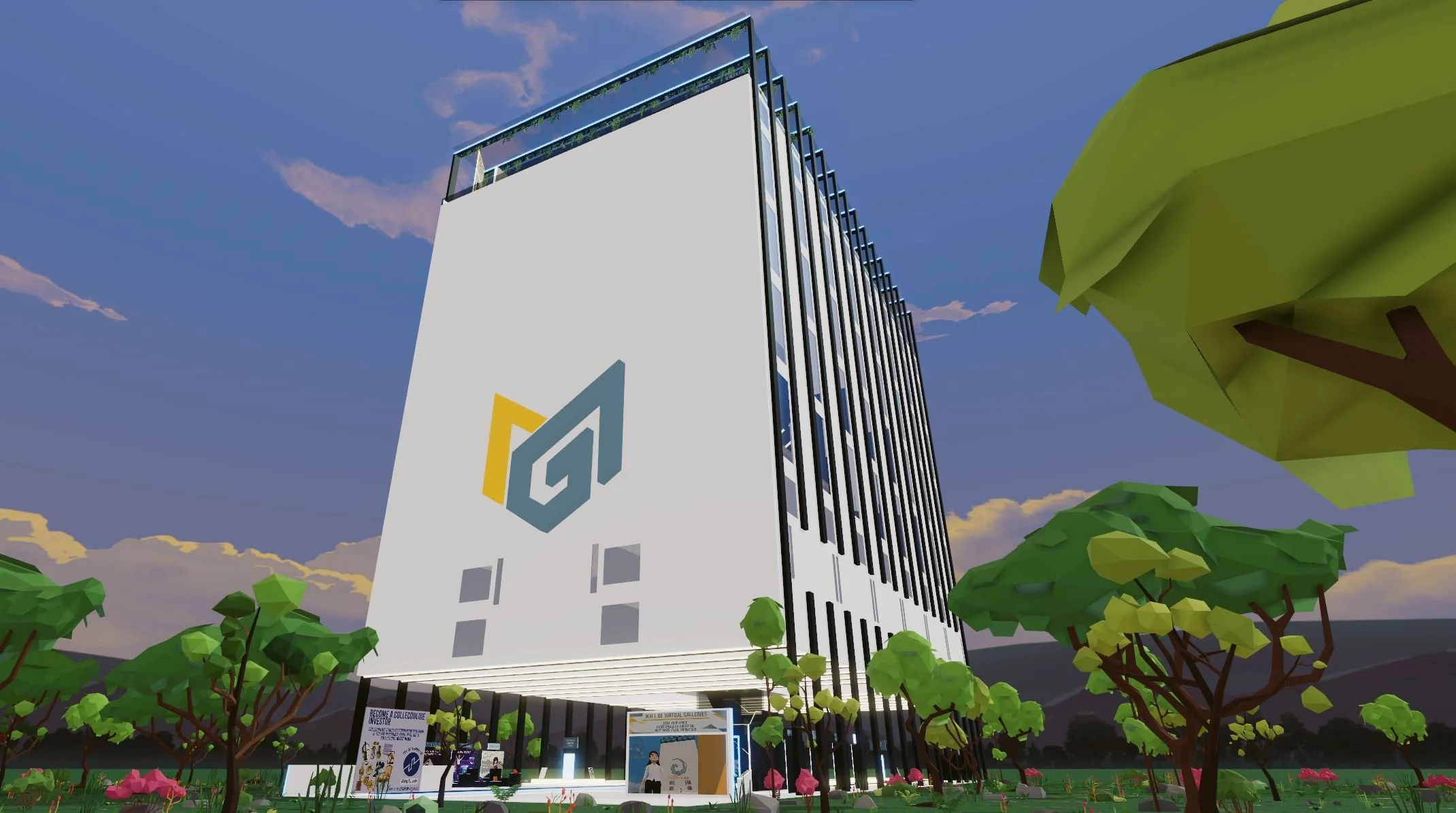
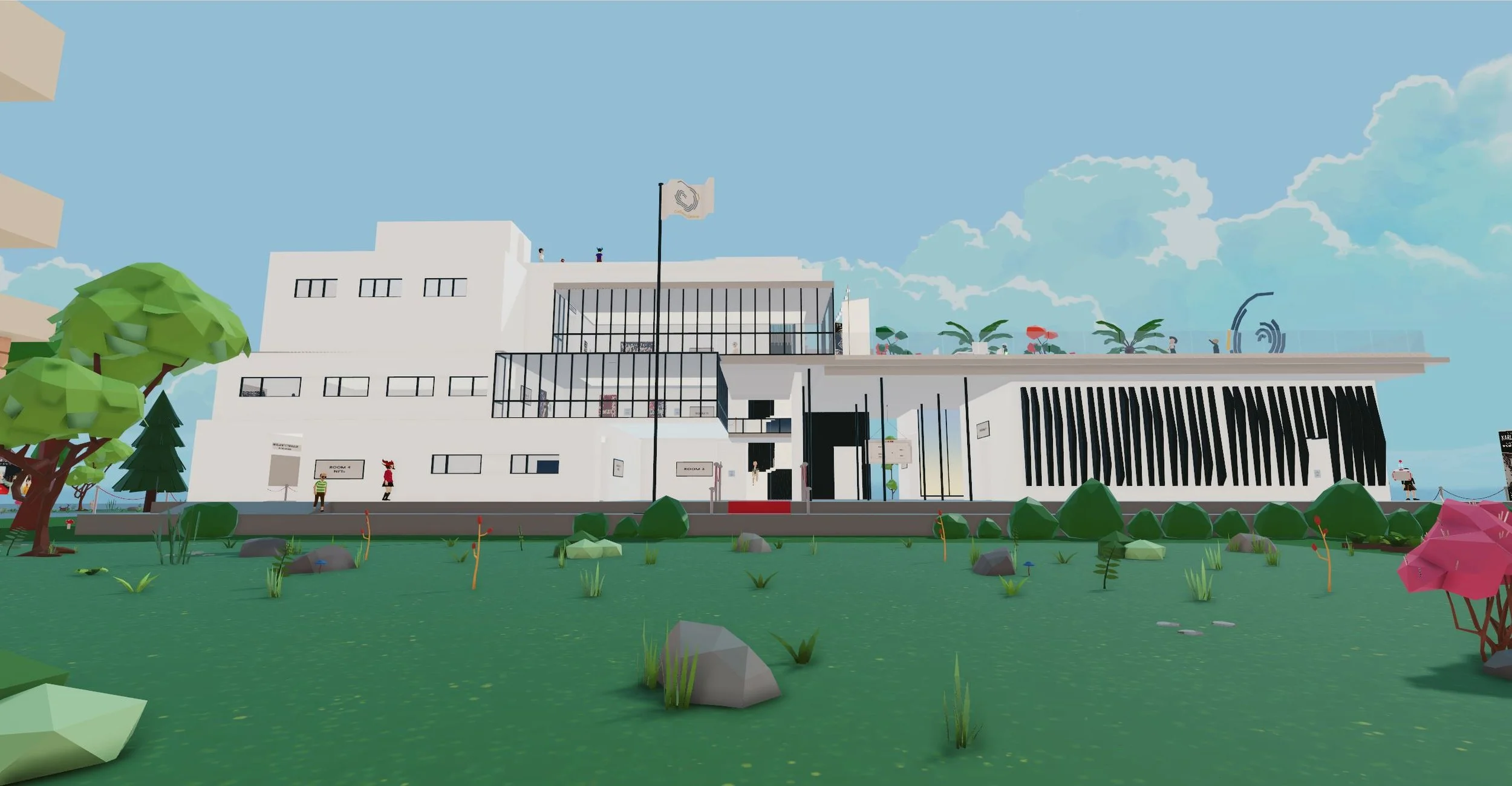
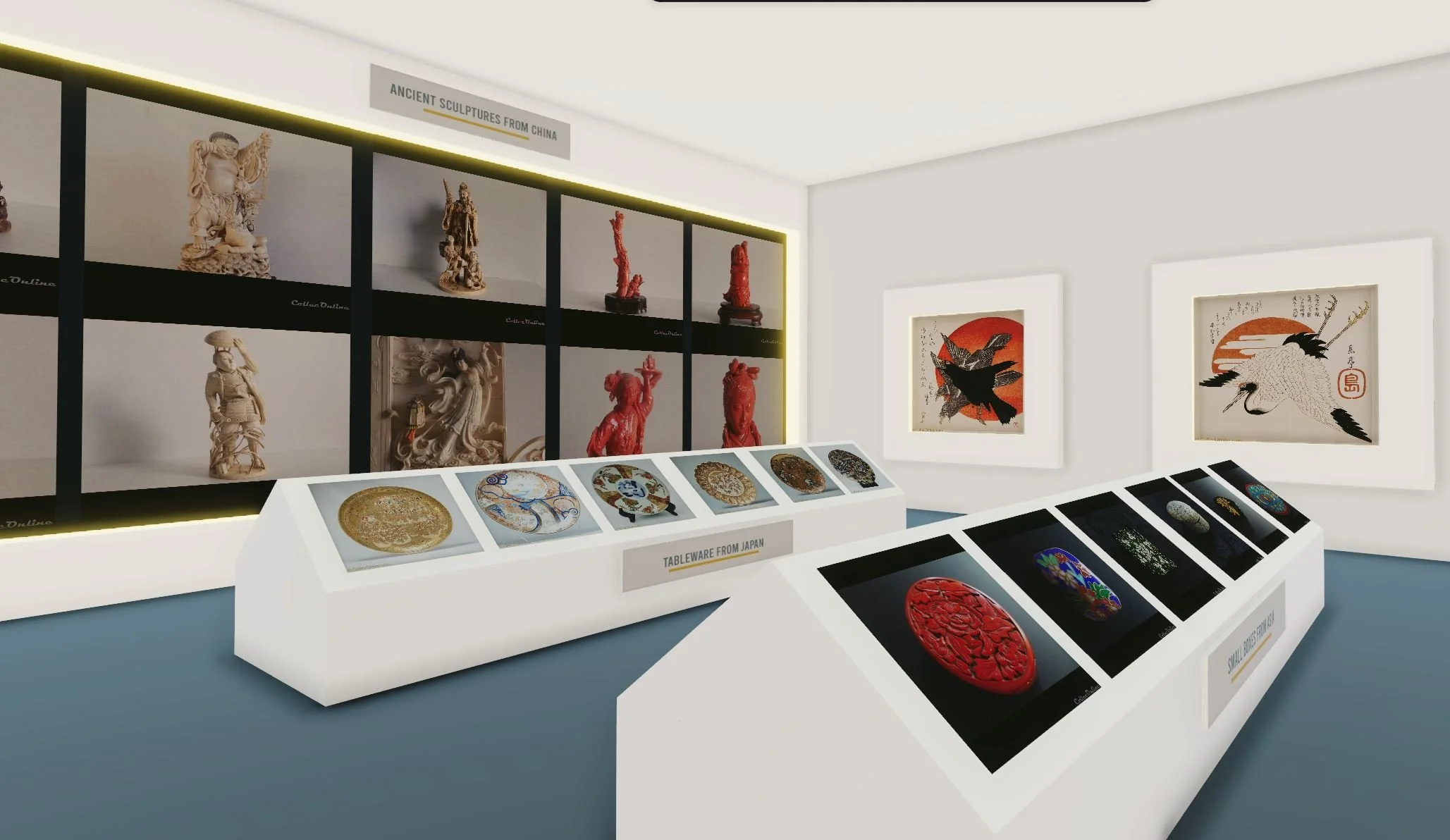
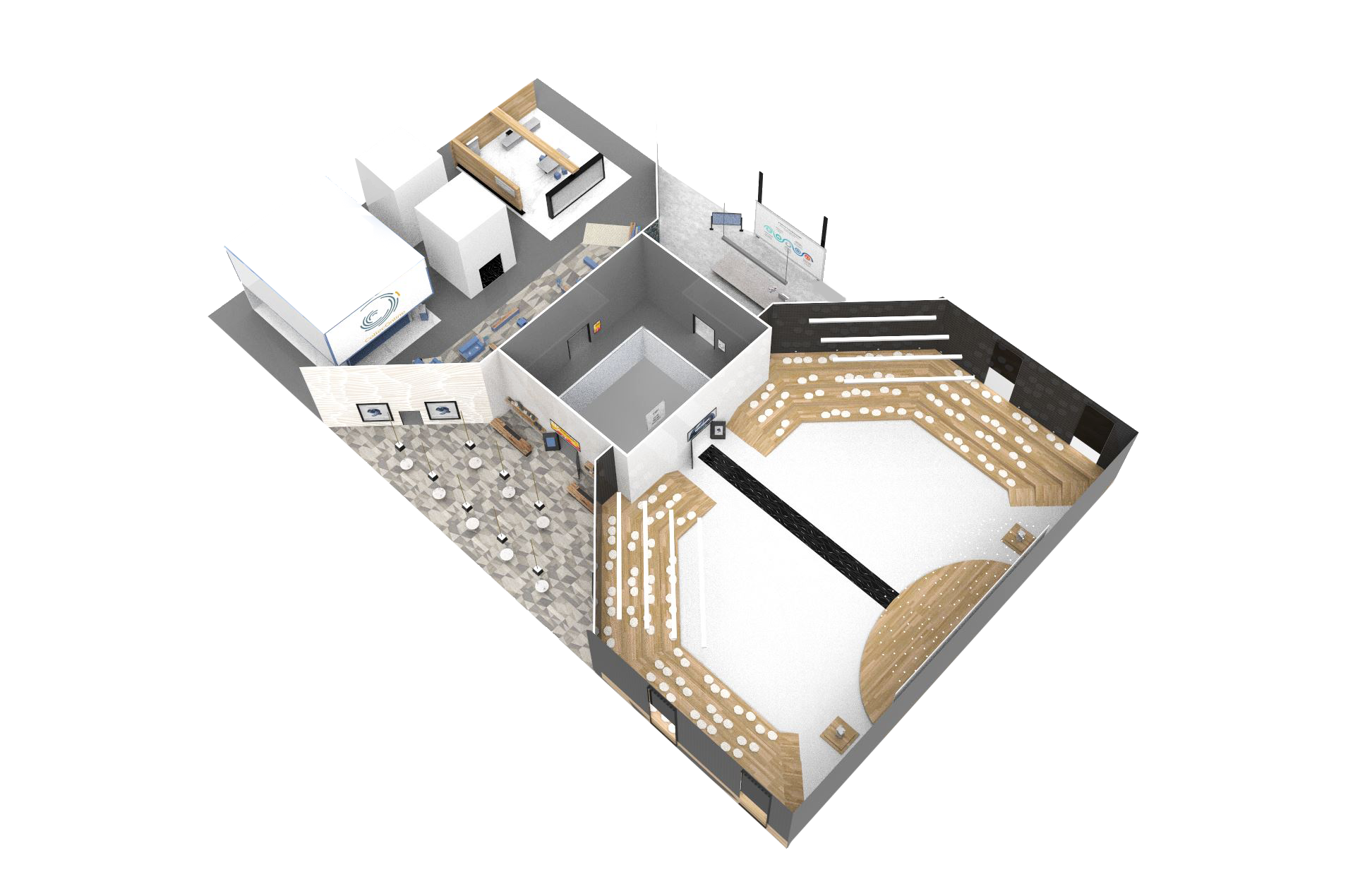
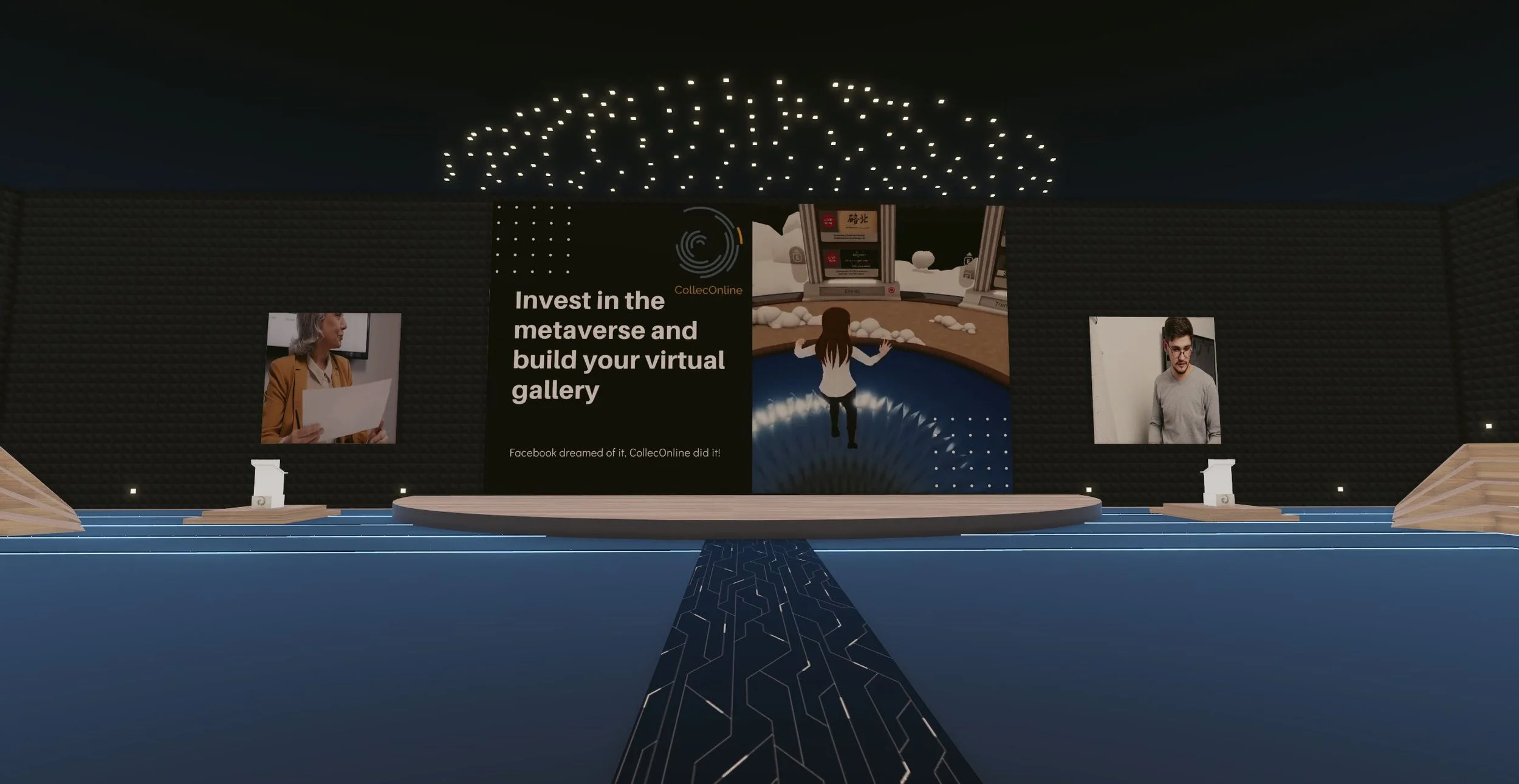
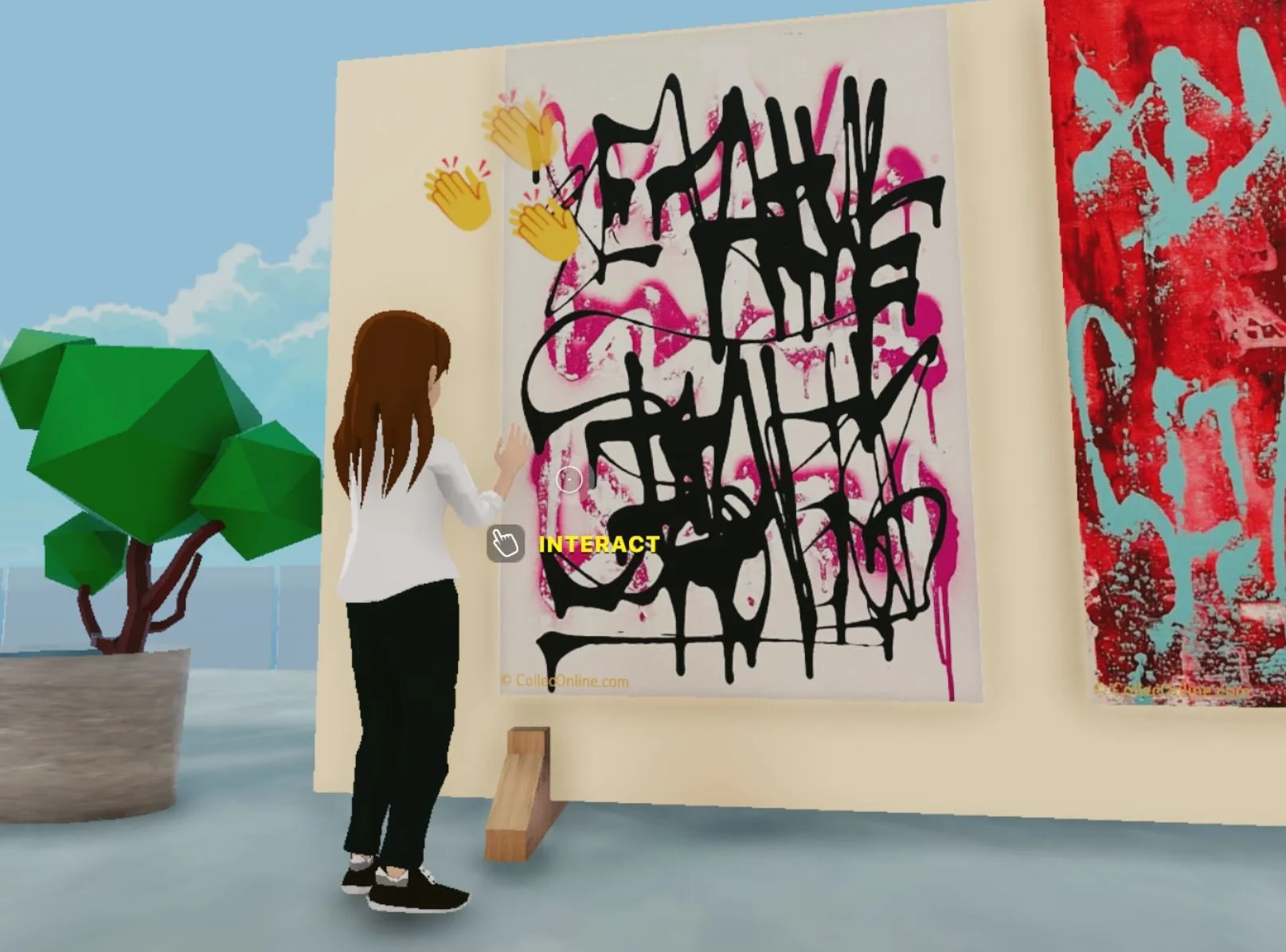
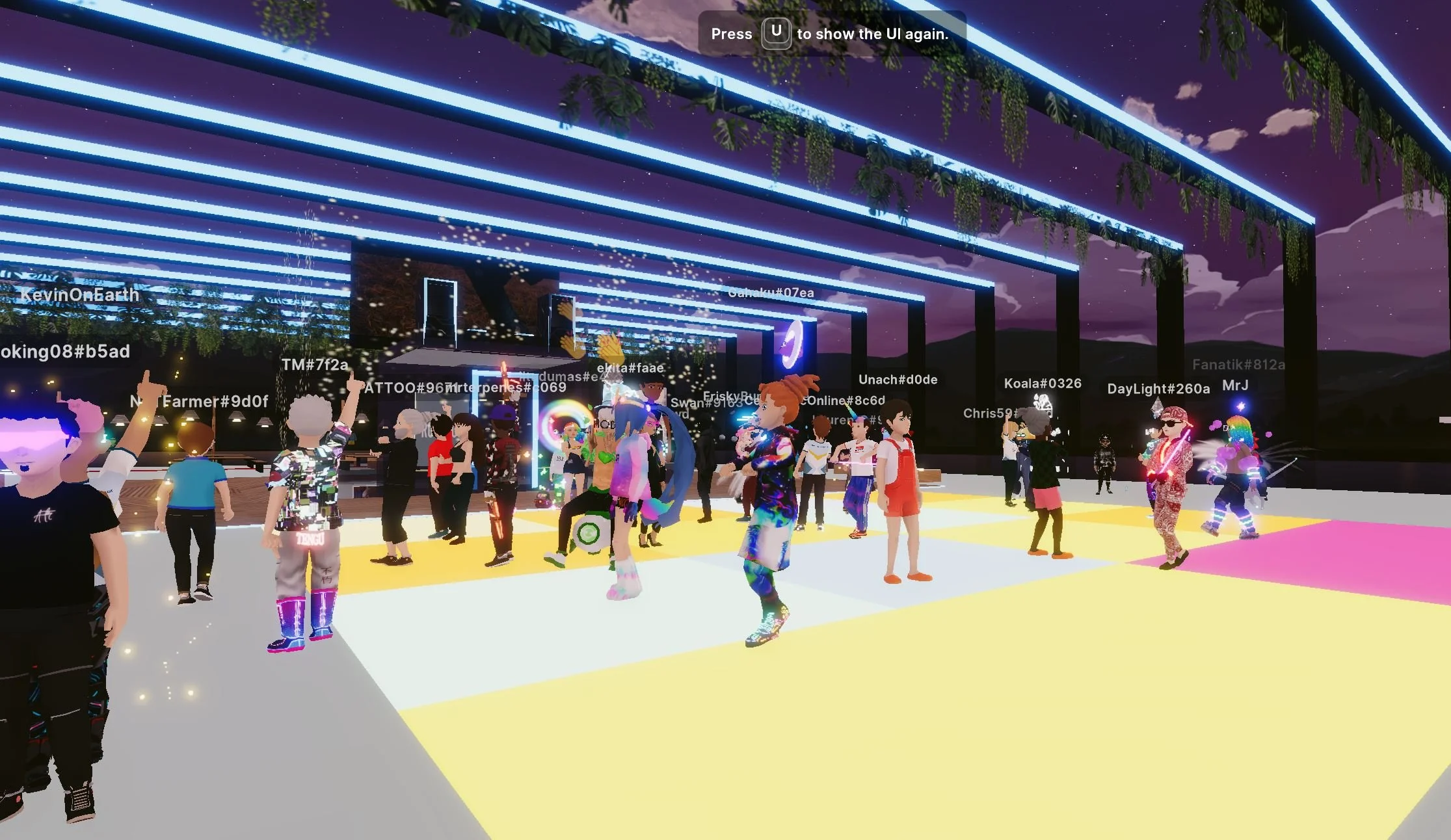
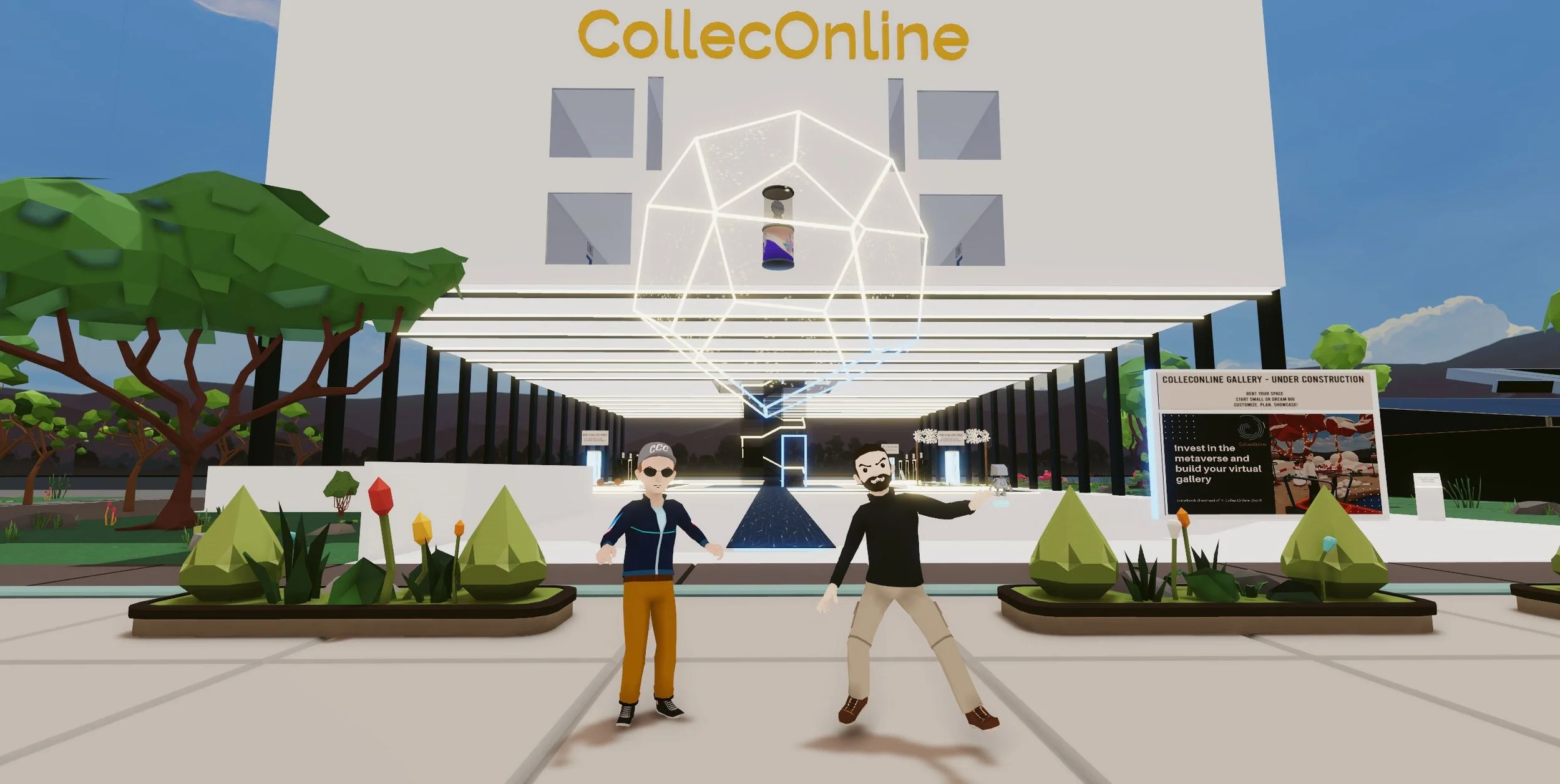
During the rise of the Metaverse, I designed large-scale environments in Decentraland for two sister brands, CollecOnline and Metagellan. One building focused on curated community collectibles, while the other supported B2B experiences such as virtual offices, exhibitions, and branded events within a persistent universe. All assets were designed under Decentraland’s technical constraints, with minimal polygon counts and a restrained texture palette to ensure smooth performance and compatibility.
Metaverse environments

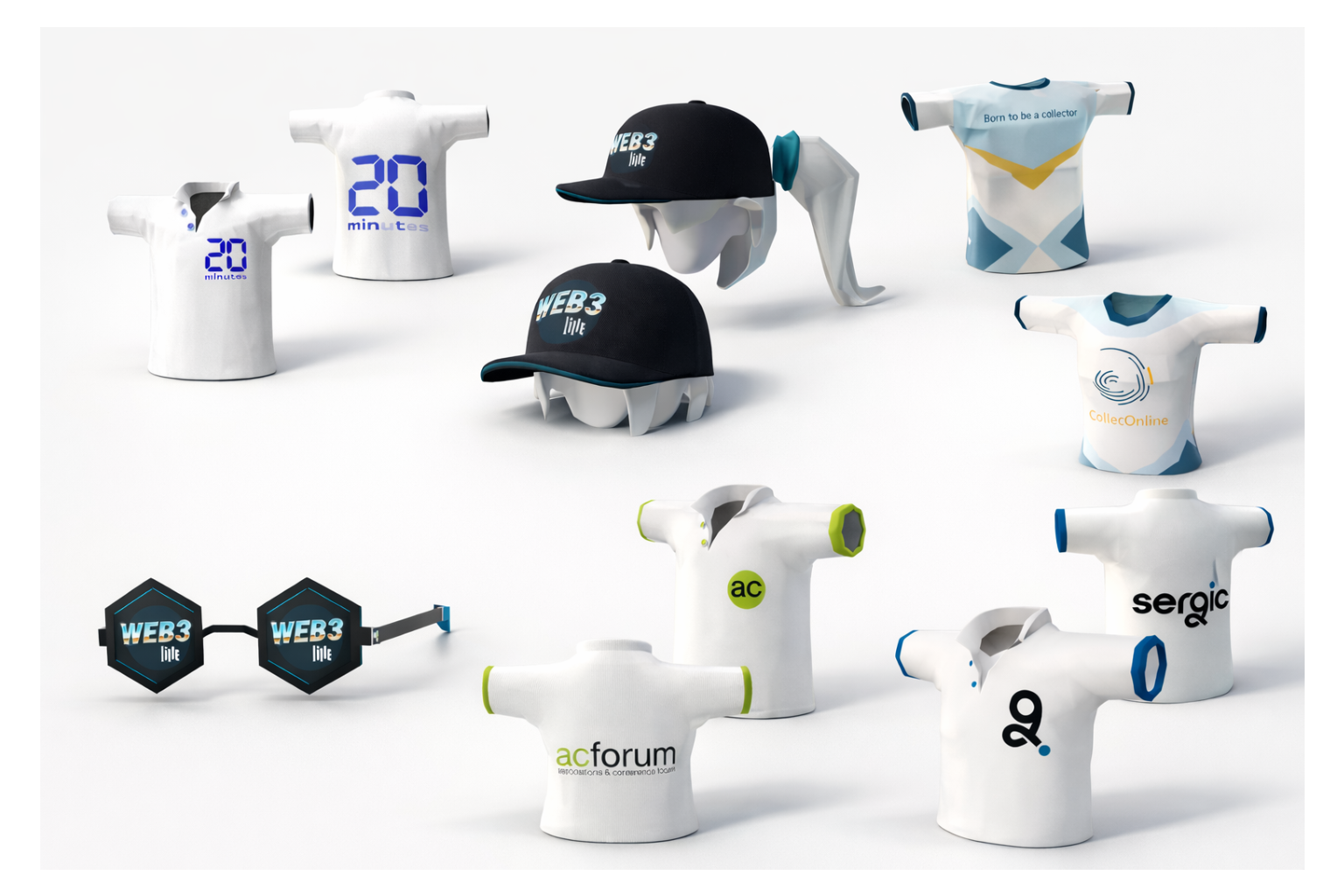
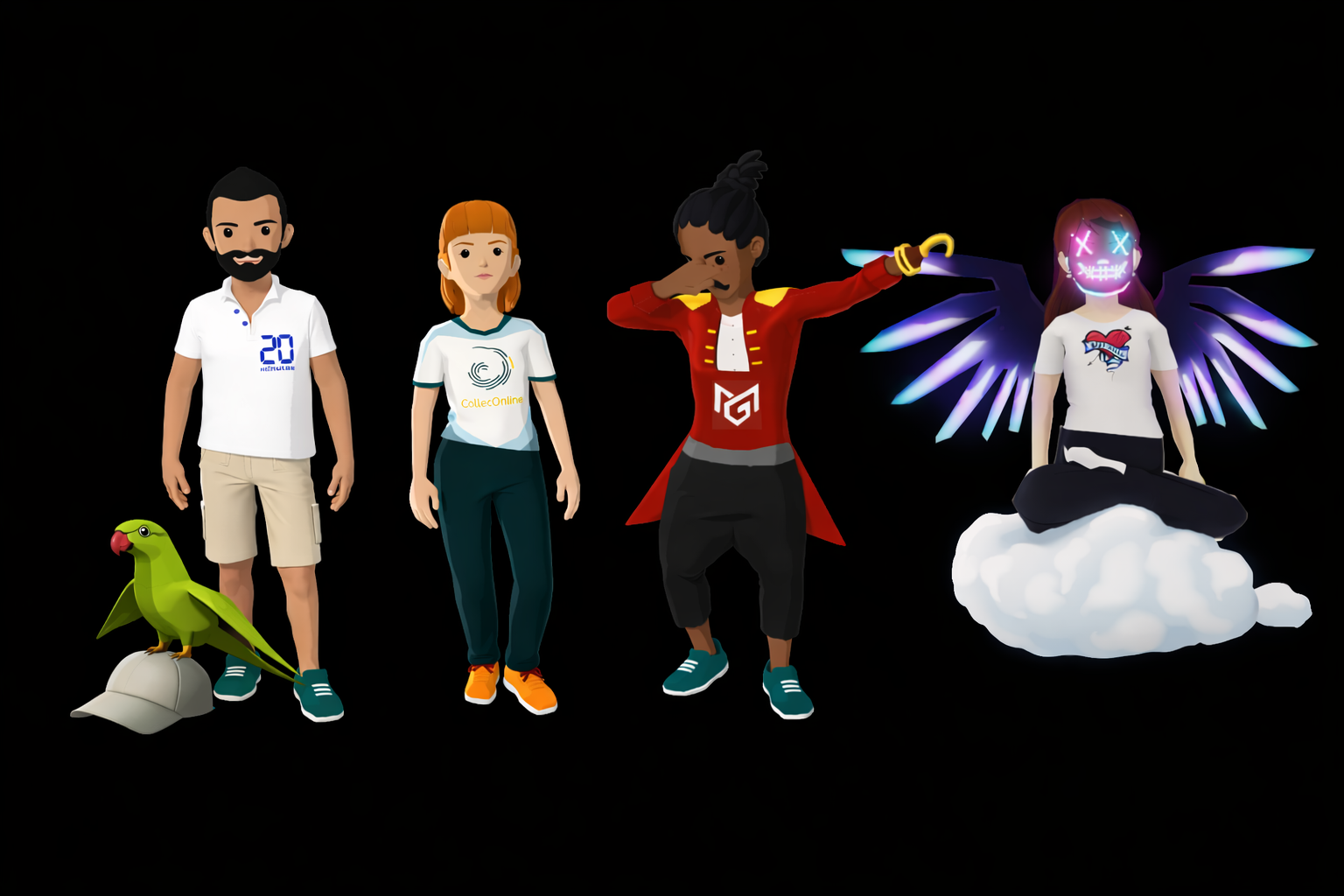
Beyond virtual architecture, my work in the metaverse also included the design of functional wearable assets for avatar customization in Decentraland, from clothing to accessories. All items were optimized for low-polygon performance and minimal textures, validated by the platform, and released in limited quantities to support smooth interaction and collectible value.
Metaverse Assets